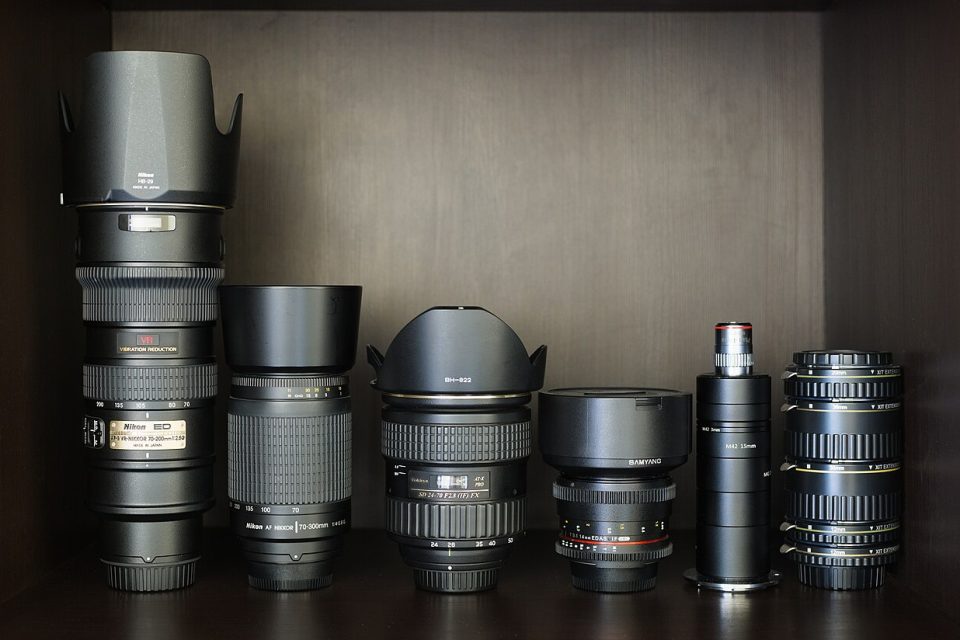
Every camera system eventually raises the question of whether to buy the brand’s own lenses or save money with third-party glass, and the answer has shifted over the years as third-party makers have closed the quality gap. The decision now comes down to compatibility risk, autofocus performance, and a few edge cases where the native option still holds a clear advantage.Native lenses guarantee the smoothest experience. They are designed in lockstep with the body, so autofocus, stabilization, and in-camera corrections all work as intended from day one, and firmware updates keep them current as new bodies arrive. The trade-off is price, and for some focal lengths the native option costs enough more that the premium is hard to justify.Third-party lenses now deliver image quality that often matches or exceeds native glass at a lower price, and the makers have built a reputation for sharp, well-corrected primes and zooms. The risk sits in compatibility, because third-party lenses rely on reverse-engineered or licensed protocols, and
Choosing Between Native and Third-Party Lenses
 1 min read
Leave a Reply