
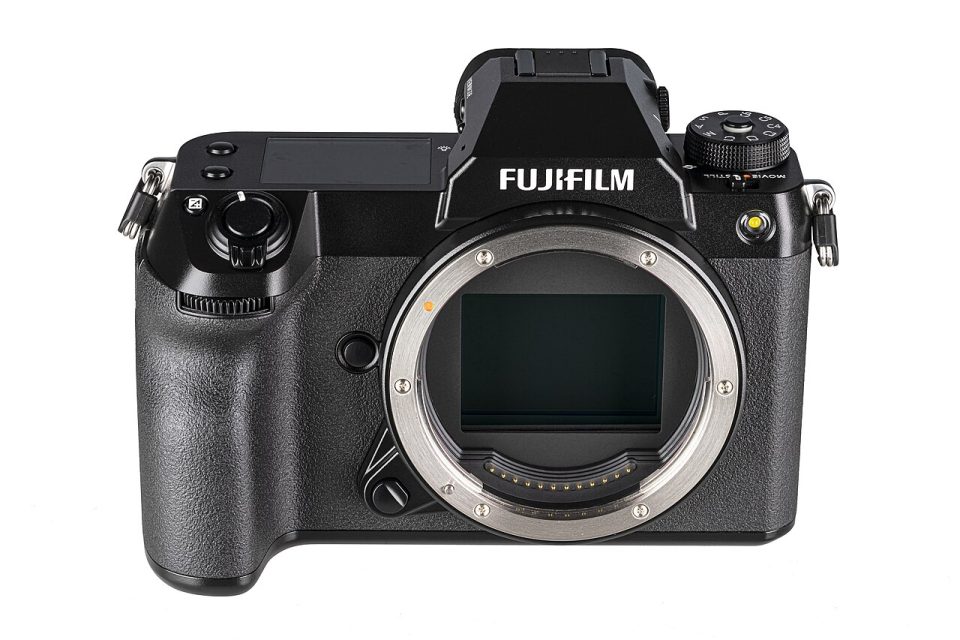
The sensor sits at the center of every buying decision, and the gap between full frame and APS-C has narrowed enough that the choice is no longer automatic. A full frame body gathers roughly 2.25 times more light at a given aperture, which shows up first in cleaner high-ISO files and shallower depth of field at equivalent framing. An APS-C body returns that advantage as a smaller, lighter, and cheaper package, and the difference in reach makes it the practical pick for wildlife and sports shooters who crop heavily.In the field the two formats behave differently under pressure. Full frame bodies tend to meter high-contrast scenes with more headroom, and their viewfinders are brighter when fast glass is mounted. APS-C bodies, by contrast, stretch a telephoto lens further without forcing you to buy longer glass, and their smaller sensors put less demand on the corners of budget zooms, which masks edge softness that a full frame sensor would expose.Resolution tells a more complicated story.
A 26-megapixel APS-C sensor resolves roughly the same linear detail as a 26-megapixel full frame sensor when
Leave a Reply