
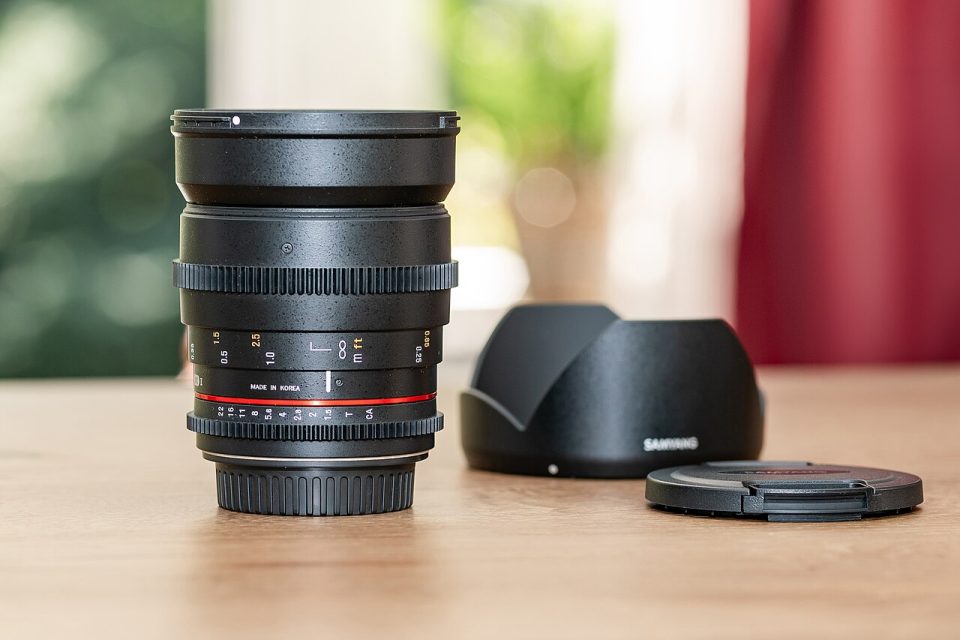
Cine lenses are built for a medium that punishes flaws still lenses get away with, and bokeh and focus breathing sit at the top of that list. A lens that looks fine in a still can fall apart on a video timeline, where the audience watches focus move and the background render in motion rather than as a frozen frame.Bokeh quality matters more in video because the out-of-focus areas are always moving, and a harsh, busy background becomes a constant distraction. Cine lenses tend to render smooth, creamy bokeh with rounded aperture blades and careful optical correction, while many still lenses show onion rings, cat-eye shapes, or hard edges that flicker as the camera or subject moves. The difference is subtle in a still and obvious at twenty-four frames per second.Focus breathing is the flaw that most visibly separates the two. A still lens often changes its angle of view as it racks focus, so pulling focus makes the image zoom slightly in or out, a jump that reads as unprofessional on screen.
Cine lenses are corrected to keep framing constant through a focus pull, which is why a focus puller can work a cine lens with
Leave a Reply