
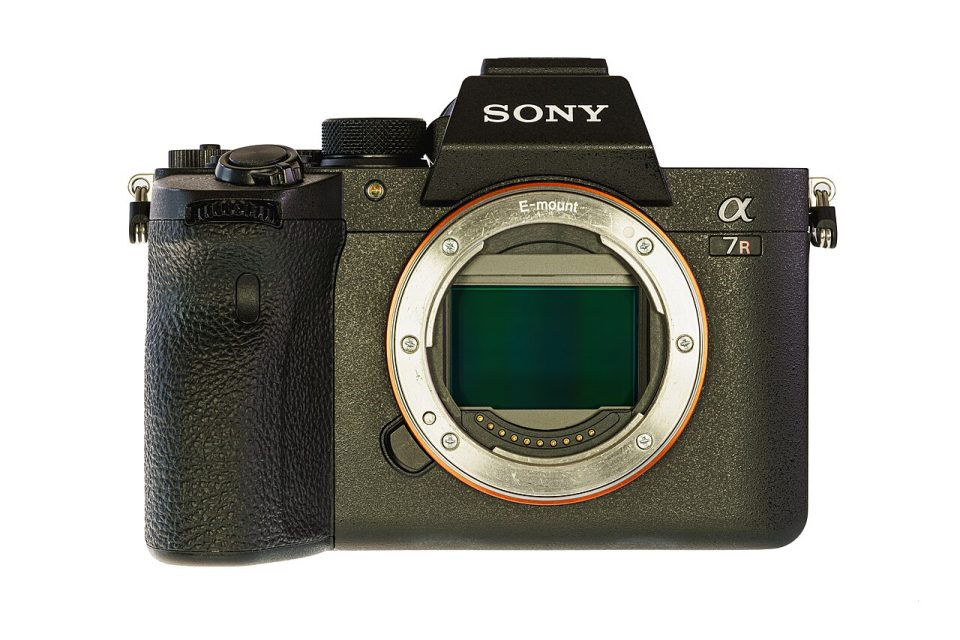
Stacked sensors and backside-illuminated sensors both promise better high-ISO performance, but they achieve it through different paths, and the comparison reveals more about marketing than most spec sheets admit. A BSI sensor moves its wiring behind the photodiodes so more light reaches them, while a stacked sensor adds a fast memory layer beneath the chip for speed, and only one of these directly improves noise.BSI technology is the genuine noise advantage. By exposing more of each pixel to light, it improves quantum efficiency, which means less read noise and cleaner shadows at high ISO. The benefit shows up most clearly between ISO 3200 and 12800, where a BSI sensor holds color and detail that a conventional front-illuminated chip begins to lose, and the difference is visible in the shadows first.Stacked sensors, by contrast, are about speed rather than sensitivity. The extra memory layer enables faster readout and, with it, better electronic shutter performance and higher burst rates, but the sensor itself may or may not be BSI.
A stacked chip can match a
Leave a Reply