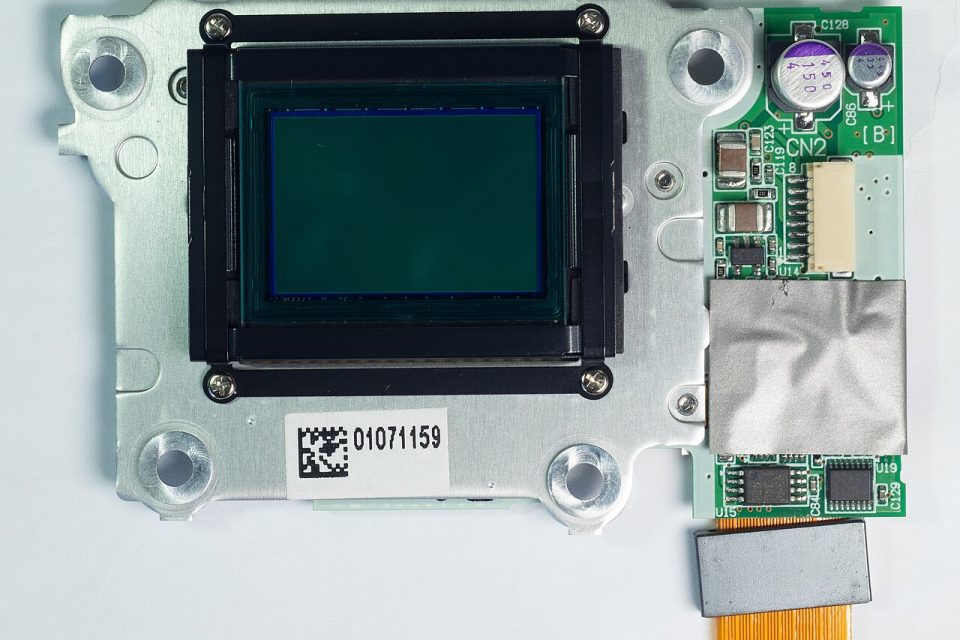
Mirrorless bodies leave the sensor exposed every time a lens comes off, and that design choice makes sensor dust and hot pixels a routine part of ownership rather than an occasional annoyance. Dust shows up as soft dark spots in skies and smooth areas, while hot pixels appear as bright specks in long exposures, and both are easier to manage once you understand how the camera addresses them.Dust is the more common problem, and mirrorless cameras fight it with a self-cleaning cycle that shakes the sensor on startup and shutdown. The vibration handles loose particles well but misses anything sticky, which is where a rocket blower and, in stubborn cases, a wet clean come in. Shooting at a small aperture makes dust more visible, so landscape photographers who stop down to f/11 and beyond are the ones who notice it first.Hot pixels are a different animal, individual photosites that read high and glow in long exposures or at high ISO. Cameras map these out automatically by detecting stuck pixels and interpolating their neighbors, and the mapping is refreshed periodically by the
Sensor Dust and Hot Pixel Mapping on Mirrorless Bodies
 1 min read
Leave a Reply